Posted on May 1, 2017
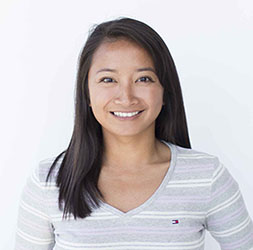 “Transcriptional memory through the cell cycle.” by Sheila Teves, Postdoctoral Fellow, University of California, Berkley.
Epigenetic maintenance of cell-type specific transcription programs is a key component of cell identity. However, this maintenance is challenged during mitosis in at least three ways. First, the transcription machinery is inactivated, leading to global transcription inhibition. Second, chromatin compacts into highly condensed mitotic chromosomes resulting in decreased DNA accessibility. Third, transcription factors (TFs) are believed to be excluded from mitotic chromosomes. Following mitosis, how do daughter cells faithfully re-establish the cell-type specific transcription program? Recent discoveries that a select set of TFs remain bound on mitotic chromosomes suggest a potential mechanism for maintaining transcriptional programs through the cell cycle termed mitotic bookmarking. I will discuss the roles of sequence-specific TFs and the general Pol II machinery in facilitating transcriptional memory in mouse embryonic stem cells.
Hosted by Dr. Leonard Foster
Monday, May 8, 2017 at 10:00 am, LSC#3, 2350 Health Sciences Mall, UBC.
Read More | No Comments
Posted on April 28, 2017
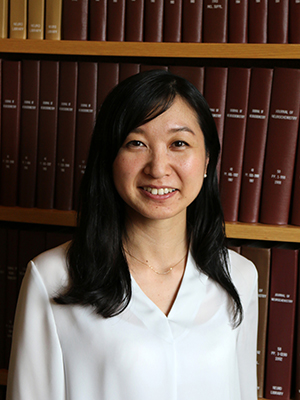 “Molecular mechanisms of NMDA receptor function and regulation,” by Nami Tajima, Post Doctoral Fellow, Cold Spring Harbor Laboratory, NY.
N-methyl-D-aspartate receptors (NMDARs) belong to a class of ionotropic glutamate receptors that are crucially involved in brain development and function, and NMDAR dysfunction is implicated in various neurological diseases. Although NMDAR structures representing inhibited states are available, there is no clear understanding of how conformational alteration in the extracellular domains regulate NMDAR activity. In my talk I will describe the first structural evidence for conformational alteration of the NMDARs and how the NMDARs are activated and inhibited. To understand the regulation mechanisms above, I conducted structural and functional studies. First I present the first structural evidence for conformational alteration in the NMDAR ATD wherein the bilobed structure of the ATD opens and closes. On the basis of structure-based mutagenesis coupled to electrophysiology, I show that stabilization of open and closed cleft conformations leads to activation and allosteric inhibition, respectively. In order to understand the conformational change in the context of full length, we obtained the intact NMDAR structure in an active conformation by cryo-electron microscopy in the absence of inhibitors. These studies allow us to uncover the conformational change in multiple domains and molecular mechanisms.
Hosted by Dr. Leonard Foster
Thursday, May 18 at 10:00 am. LSC#3, 2350 Health Sciences Mall
Read More | No Comments
Posted on April 28, 2017
 “Beyond DNA & RNA Synthetic Genetic Polymers,” by Alexander I Taylor, MRC Laboratory of Molecular Biology, Cambridge University, UK.
Two of the hallmarks of life, heredity and evolution, can be recapitulated in the test tube using a series of synthetic alternatives to DNA composed of non-natural building blocks, ‘xeno nucleic acids’ (XNA). We have recently established a range of XNA synthetic genetic systems and are beginning to explore the potential of artificial chemical scaffolds to evolve functional phenotypes, ligands (XNA ‘aptamers’) and enzymes (‘XNAzymes’), as well as their application as novel materials for nucleic acid nanotechnology. Our results demonstrate that fundamental biological phenomena – molecular recognition, catalysis and self-assembly of 3D structures – can be performed by a variety of alternatives to nature’s biomolecules, suggesting the possibility of life based on other chemistries (‘xenobiology’) and underscoring the potential for XNAs with structures and physicochemical properties divergent from DNA and RNA to provide a wide range of novel tools and technologies for research, biotechnology and medicine.
Hosted by Dr. Leonard Foster
Monday, May 15, 2017 at 10:00 am, LSC #3, 2350 Health Sciences Mall
Read More | No Comments
Posted on April 25, 2017
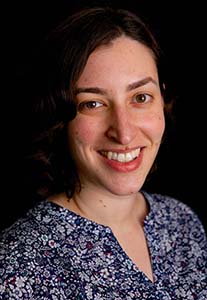 “Organelle Dynamics and Fatty Acid Trafficking” by Sarah Cohen, PhD, Visiting Fellow, National Institute of Child Health & Human Development.
Monday, May 1, 2017, LSC#3, 10:00 am, hosted by Dr. Leonard Foster.
Read More | No Comments
Posted on March 27, 2017
 “Identification of Novel Picornavirus Proteinase Substrates Using Terminal Amine Isotopic Labeling of Substrates”, by Julienne Jagdeo, PhD Candidate, Jan Lab.
Monday, April 3, 2017 at 9:00 am, Room 200, Graduate Student Centre, 6371 Crescent Road.
Read More | No Comments
Posted on March 24, 2017
 “Reverse Chemical Genetics: Comprehensive Fitness Profiling Reveals Drug Target Interactions”, Corey Nislow, Associate Professor, Department of Pharmaceutical Sciences, UBC. Monday, April 10, 2017, @3:00 pm LSC #2, 2350 Health Sciences Mall.
Read More | No Comments
Posted on March 24, 2017
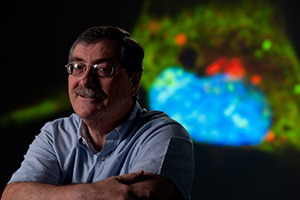 “Viral strategies to hijack and alter host cell functions during picornavirus replication”, by Bert Semler, Professor, Microbiology & Molecular Genetics, School of Medicine, University of California, Irvine. Monday, April 3, 2017, 3:00 pm, LSC #3, 2350 Health Sciences Mall, UBC.
Read More | No Comments
Posted on March 6, 2017
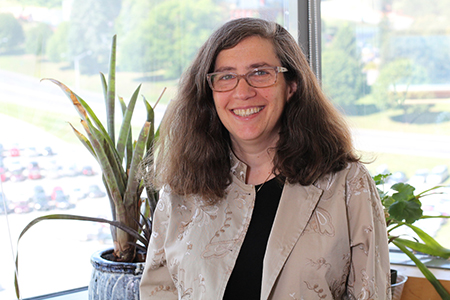 “Constraining Evolution – And Avoiding Drug Resistance: Lessons from Viruses”, by Celia Schiffer, Professor, University of Massachusetts Medical School.
Monday, March 27th, 2017 at 3:00 pm, LSC# 3, 2350 Health Sciences Mall,
Read More | No Comments
Posted on March 3, 2017
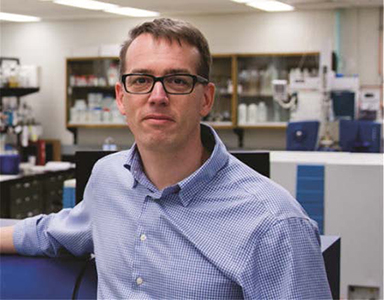 “Integrative structural biology using mass spectrometry: the push towards structural proteomics,” by David Schriemer, University of Calgary.
Monday, March 13th, 2017 at 3:00 pm, LSC#3, 2350 Health Sciences Mall.
Read More | No Comments
Posted on February 20, 2017
 “Design of carriers for delivery of short and long RNAs: from miRNA replacement therapy to CRISPR/Cas gene editing,” by Daniel Siegwart, Assistant Professor, University of Texas Southwestern Medical Center.
Monday, March 6, 2017 at 3:00 pm, LSC#3, 2350 Health Sciences Mall.
Read More | No Comments